


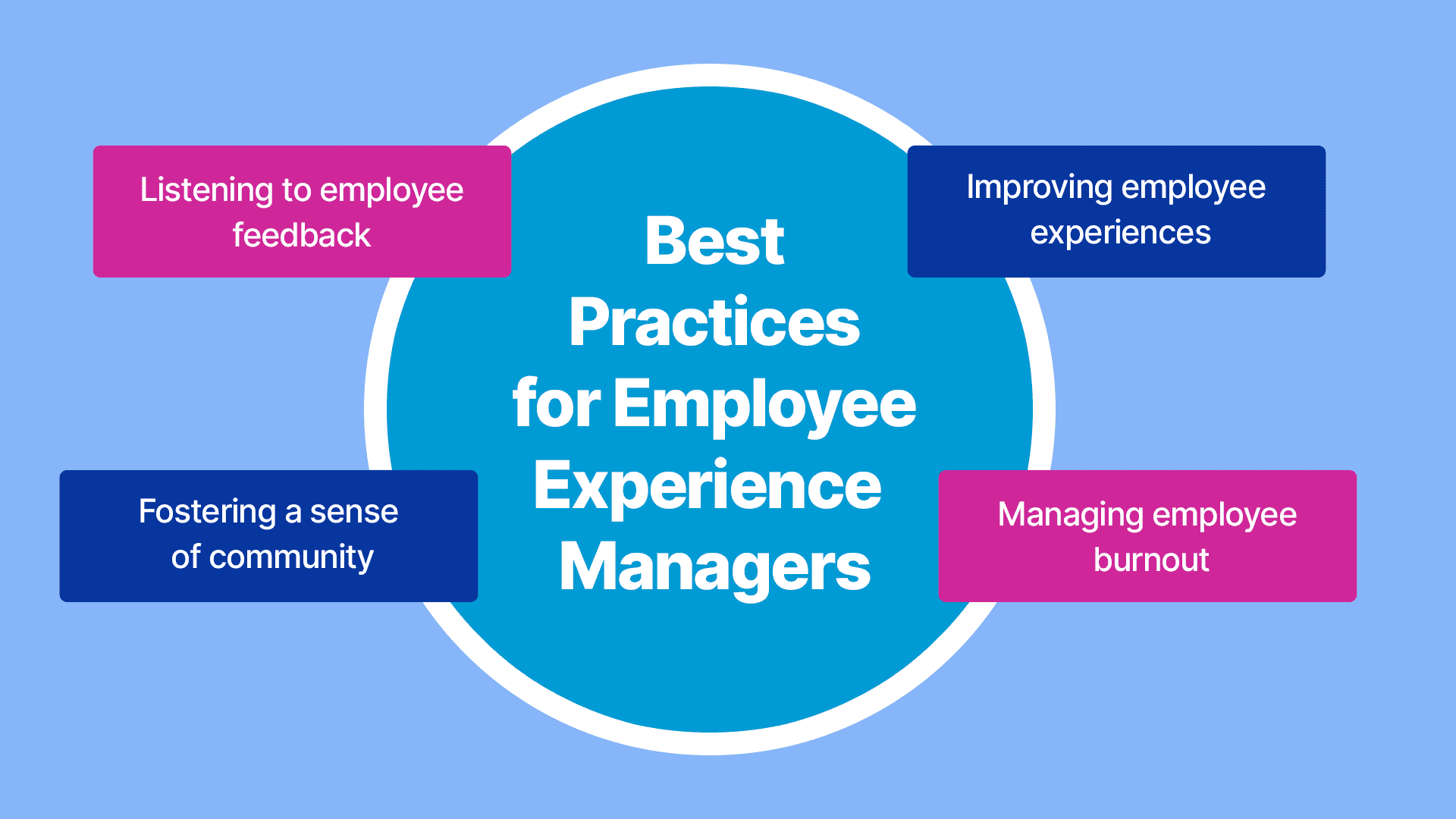
The modern workplace is undergoing a significant transformation as organizations increasingly recognize the importance of employee satisfaction and engagement. The Employee Experience Management Market has emerged as a critical sector within the human resources technology landscape. Companies across various industries are investing heavily in solutions that enhance how employees interact with their organizations throughout their entire employment journey. The Employee Experience Management Market size is projected to grow USD 15.79 Billion by 2035, exhibiting a CAGR of 6.9% during the forecast period 2025-2035. This remarkable growth trajectory reflects the increasing awareness among business leaders about the direct correlation between employee experience and organizational success. Digital transformation initiatives have accelerated the adoption of employee experience platforms that integrate various touchpoints including onboarding, performance management, learning and development, and offboarding processes. Organizations are leveraging advanced technologies to create seamless experiences that foster productivity, loyalty, and overall job satisfaction among their workforce members.
The primary drivers fueling market expansion include the rising importance of employee retention in competitive talent markets worldwide. Organizations are facing unprecedented challenges in attracting and retaining top talent, making employee experience management solutions essential strategic investments. The shift toward remote and hybrid work models has further amplified the need for sophisticated platforms that maintain employee connectivity and engagement regardless of physical location. Companies are implementing comprehensive experience management systems that provide real-time feedback mechanisms, personalized learning opportunities, and recognition programs that acknowledge employee contributions. The integration of artificial intelligence and machine learning technologies enables organizations to analyze employee sentiment, predict potential issues, and implement proactive interventions. Cloud-based deployment models have made these solutions accessible to organizations of all sizes, democratizing access to advanced employee experience management capabilities. The focus on diversity, equity, and inclusion initiatives has also driven demand for platforms that support inclusive workplace cultures.
North America currently dominates the market landscape, accounting for the largest revenue share due to early technology adoption and established human resources infrastructure. The region hosts numerous leading solution providers who continue to innovate and expand their product offerings. Europe follows closely, with countries like the United Kingdom, Germany, and France showing strong adoption rates driven by stringent labor regulations and employee welfare mandates. The Asia Pacific region represents the fastest-growing market, propelled by rapid industrialization, expanding service sectors, and increasing awareness about employee engagement benefits. Countries including China, India, Japan, and Australia are witnessing significant investments in employee experience technologies. Latin America and the Middle East and Africa regions are also showing promising growth potential as organizations in these areas modernize their human resources practices. Regional variations in workplace culture, regulatory requirements, and technological infrastructure influence solution customization and implementation strategies across different geographical markets.
The competitive landscape features a diverse mix of established technology giants and innovative startups competing for market share. Major players including SAP SE, Oracle Corporation, Microsoft Corporation, Workday Inc., and Qualtrics International continue to dominate through comprehensive platform offerings and extensive partner ecosystems. These companies invest substantially in research and development to enhance platform capabilities and maintain competitive advantages. Emerging players are carving niches by offering specialized solutions targeting specific industries or employee experience dimensions. Strategic partnerships, mergers, and acquisitions characterize the market as companies seek to expand capabilities and geographical reach. The vendor landscape continues evolving with increasing emphasis on integration capabilities, user experience design, and analytics sophistication. Future market growth will be shaped by technological advancements, changing workforce demographics, and evolving employee expectations about workplace experiences and employer relationships.
Top Trending Reports -
US Application Performance Management Market Share
US Security Orchestration Automation And Response Market Share




 English
 Arabic
 French
 Spanish
 Portuguese
 Deutsch
 Turkish
 Dutch
Dutch
 Russian
 Romaian
 Portuguese (Brazil)
 Greek
Greek